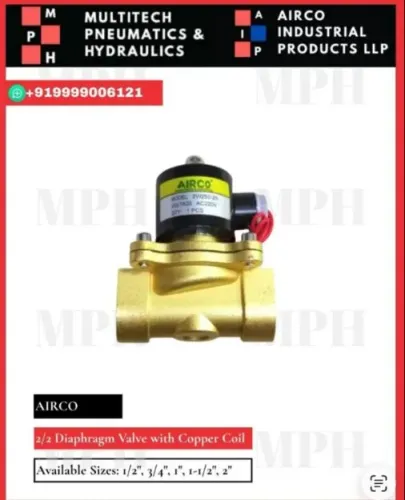
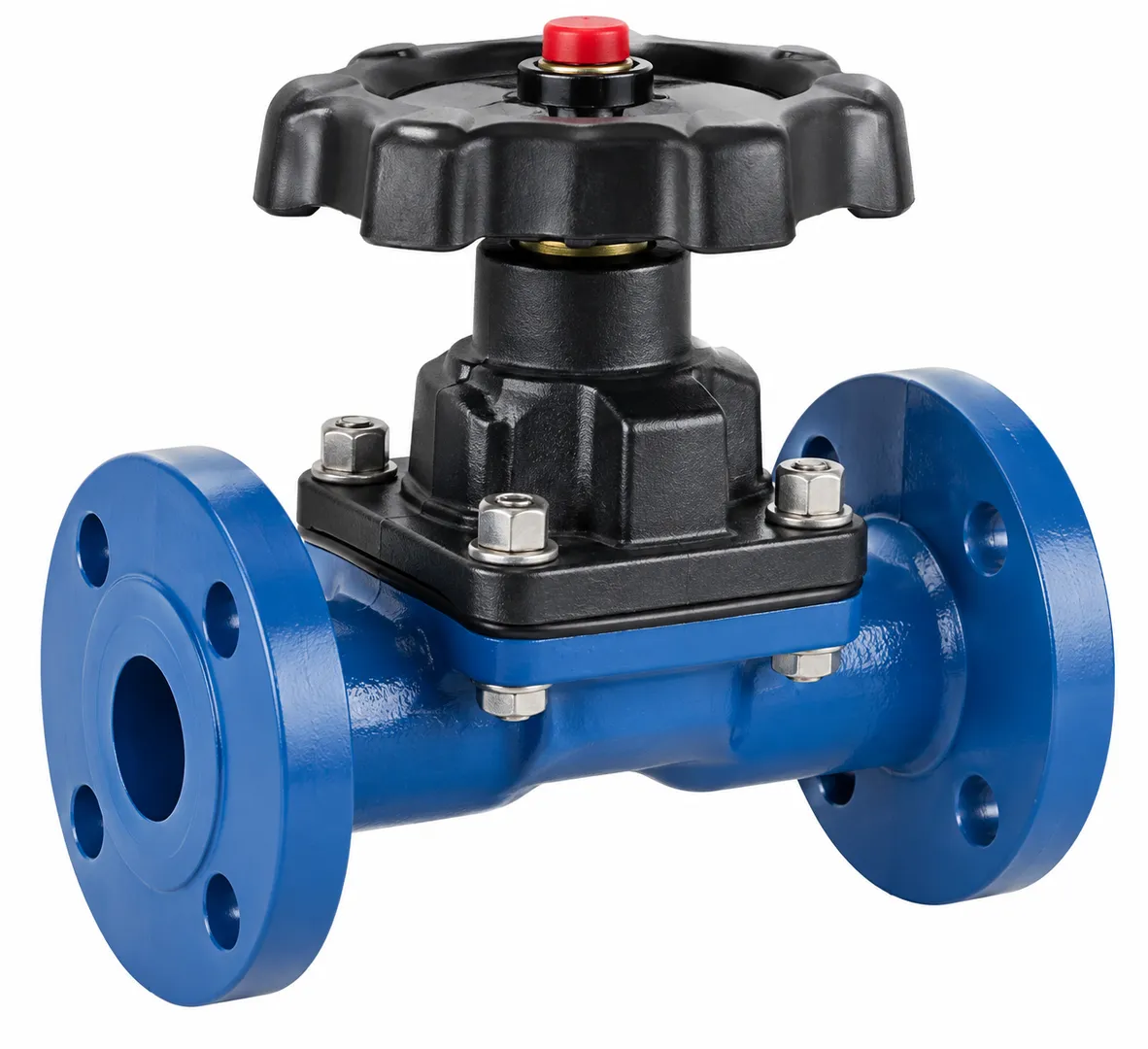
Diaphragm valves are distinctive because a flexible diaphragm provides the mechanism for controlling or isolating flow. This construction can be useful in applications where the process medium needs to remain separated from certain operating components of the valve. When evaluating a Manual Diaphragm Valve Dealer in Delhi, buyers should concentrate on diaphragm compatibility, body material, pressure and temperature limits, connection design, and the nature of the fluid being handled.
In a manual diaphragm valve, turning the handwheel moves the operating mechanism and diaphragm to control the flow path. The exact internal construction can vary according to valve design.
One advantage of diaphragm-based construction is the separation it can provide between the process medium and the valve's operating mechanism. Depending on materials and design, diaphragm valves may be considered for water treatment, chemical handling, process systems, utilities, and other specialized applications.
The diaphragm itself is a critical component. Different elastomers and engineered materials have different resistance to chemicals, temperatures, pressure, and repeated flexing. Selecting an unsuitable diaphragm material can result in premature deterioration even when the valve body remains in good condition.
Before choosing a valve, establish these parameters:
- Type and concentration of process medium
- Operating and maximum temperature
- Working pressure
- Valve size
- Required body material
- Diaphragm material
- End connection
- Expected operating frequency
- Required flow characteristics
Buyers should also consider maintenance. Because the diaphragm is a working component, its condition should be included in preventive maintenance planning. Inspection intervals can depend on process severity, cycle frequency, temperature, and media compatibility.
A common procurement error is replacing an existing diaphragm valve based solely on its nominal size. If diaphragm material, body lining, connection dimensions, or pressure rating differ, the replacement may not provide equivalent service.
Delhi's process industries, equipment manufacturers, water-treatment businesses, laboratories, and industrial maintenance teams may require diaphragm valves for varied operating conditions. A technically informed supplier discussion is especially valuable where the process medium has specific compatibility requirements.
Multitech Pneumatics And Hydraulics serves customers seeking industrial valve solutions in Delhi and can review product requirements against supplied application information.
For a new installation, documenting process parameters before requesting quotations creates a clearer basis for comparison. For replacement work, recording existing valve details helps narrow down compatible options.
The appropriate manual diaphragm valve is ultimately determined by the process. Matching diaphragm material, body construction, pressure, temperature, and media compatibility can support safer operation, easier maintenance, and a more predictable service life.
Keywords